

Discover our offer of courses for different training and skill levels
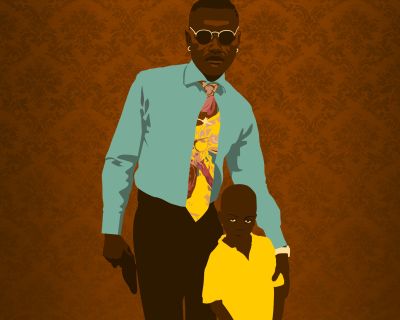
The Yayas de l’Elegance
S.A.P.E is the acronym for the Society of Ambience Makers and Elegant People. The followers of this movement call themselves sapeurs, men devoted to elegant dressing. SAPE becomes a performed experience encompassing a world of meanings and symbols.
Video
MA
2012
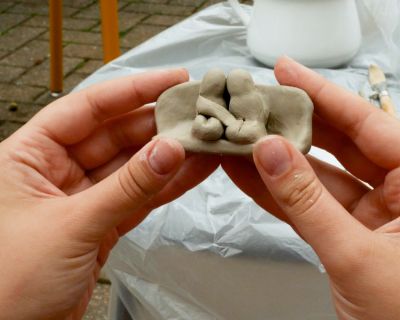
Grandma’s Hands
In 1953, Claire Leven traveled to Florence, Italy to study the lost-wax process of sculpting. After her passing in 2021, her granddaughter decided to do the same, embarking on a journey to discover more about her grandmother’s mysterious artistic past.
Video
MA
2022
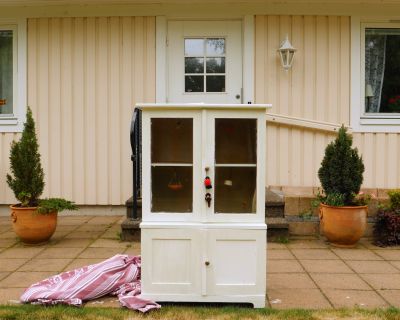
Sich Abhängen | Holding On
Using an old dollhouse as a visual metaphor for refurnishing the memories of her life, the film follows Lisbeth Svenson (my grandmother) and her son Anders Runesson (my father) as they begin to explore the impacts of grief as it reverberates through a family in the south of Sweden.
Video
MA
2022
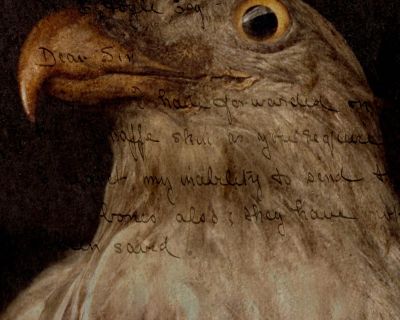
Yours Truly
Yours Truly follows the trail of taxidermic pieces collected during the nineteenth and twentieth centuries by The Manchester Museum. Letters between its directors, explorers, and lords unveil the stories of specimens that act as uncomfortable reminders of past scientific and colonial procedures.
Video
MA
2017
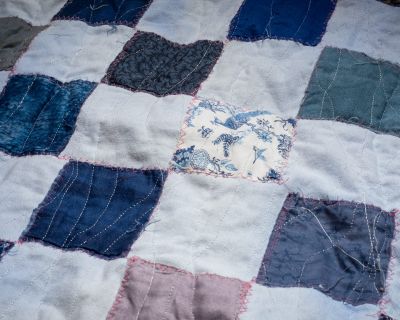
The Skein Her Very Skin
This project, guided by expert craftswomen within Manchester’s quilting circles, uses textiles as a creative methodology to explore the often-overlooked and underappreciated world of women’s work, illuminating the values, relationships, memories, and meanings hidden and observed in the material. It frames the quilt as a materialisation of women lives, contemplating questions of skill, temporality and identity.
Performance, Photography
MA
2018