

If you’re searching for visual anthropology careers, jobs with a visual anthropology degree, or what visual anthropologists actually do, you’ve probably noticed how little concrete information is available.
You may also have encountered a more pessimistic view: that anthropology degrees, especially specialised ones, don’t lead to clear career paths.
Our data suggests otherwise.
What Do our Visual Anthropology Graduates Do?
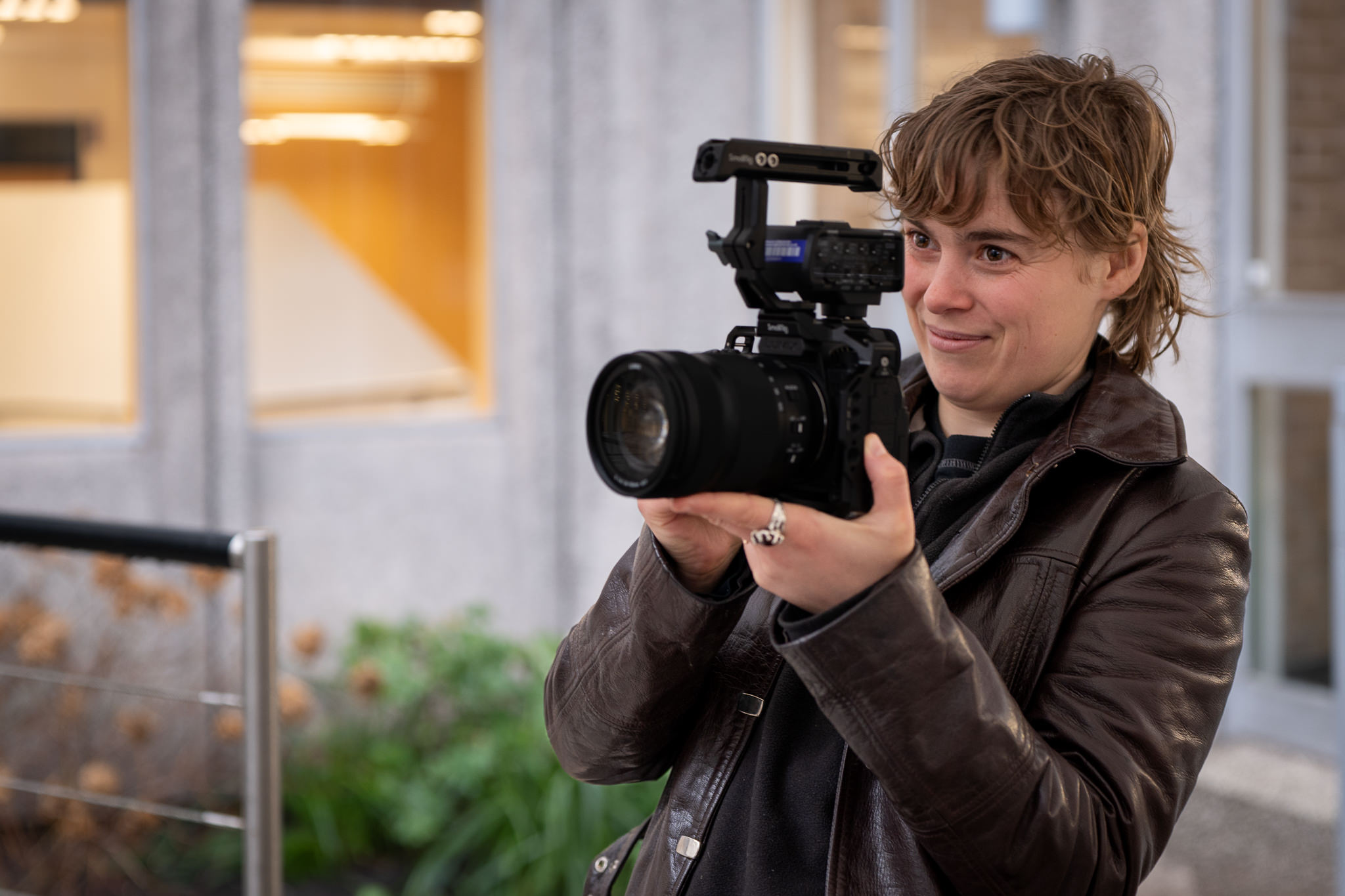
We recently surveyed 86 graduates from our MA in Visual Anthropology (1989–2025), allowing us to move beyond assumptions and look at real career trajectories over time.
What emerges is not a single pathway, but a consistent pattern.
Graduates work across:
- film and moving image
- photography and journalism
- NGOs and social impact organisations
- qualitative and policy research
- museums and cultural institutions
- academia
This diversity is not accidental. Visual anthropology does not lead to a single job title—it leads to a set of skills and practices that translate across multiple sectors.
Employment and Career Outcomes
Our survey data provides a clear picture of what happens after graduation—and it is overwhelmingly positive.
- Almost 98% of alumni are professionally active, with only 2.3% currently seeking work
- 70% have worked in film or media-related fields, including documentary, broadcast, and digital production
- 68% combine work across multiple sectors, reflecting the portfolio nature of many careers
These figures show not only high levels of employment, but also the adaptability of visual anthropology graduates across different professional contexts. Graduates are working in organisations including the BBC, Amazon, Policy Lab UK, The Guardian, National Geographic, and major museums and cultural institutions.
The data also shows that careers develop quickly. 66% of graduates secured paid work within six months of completing the MA, with a significant number beginning professional work even before graduating.
We can see a clear pattern: while few roles are labelled “visual anthropologist,” many require exactly the combination of skills the degree develops—across storytelling, research, and collaboration.
What Does a Visual Anthropologist Actually Do?
Across the survey, alumni describe work that involves:
- engaging closely with people and communities
- developing narratives grounded in lived experience
- combining research with visual or media production
- navigating ethical and collaborative processes
This translates into a distinctive professional profile. Visual anthropologists are not simply content producers. They are trained to:
- understand context
- build trust
- communicate complexity
- work across disciplines and media
In sectors increasingly concerned with storytelling, engagement, and credibility, these are highly valued skills.
A Strong Tradition in Documentary Film
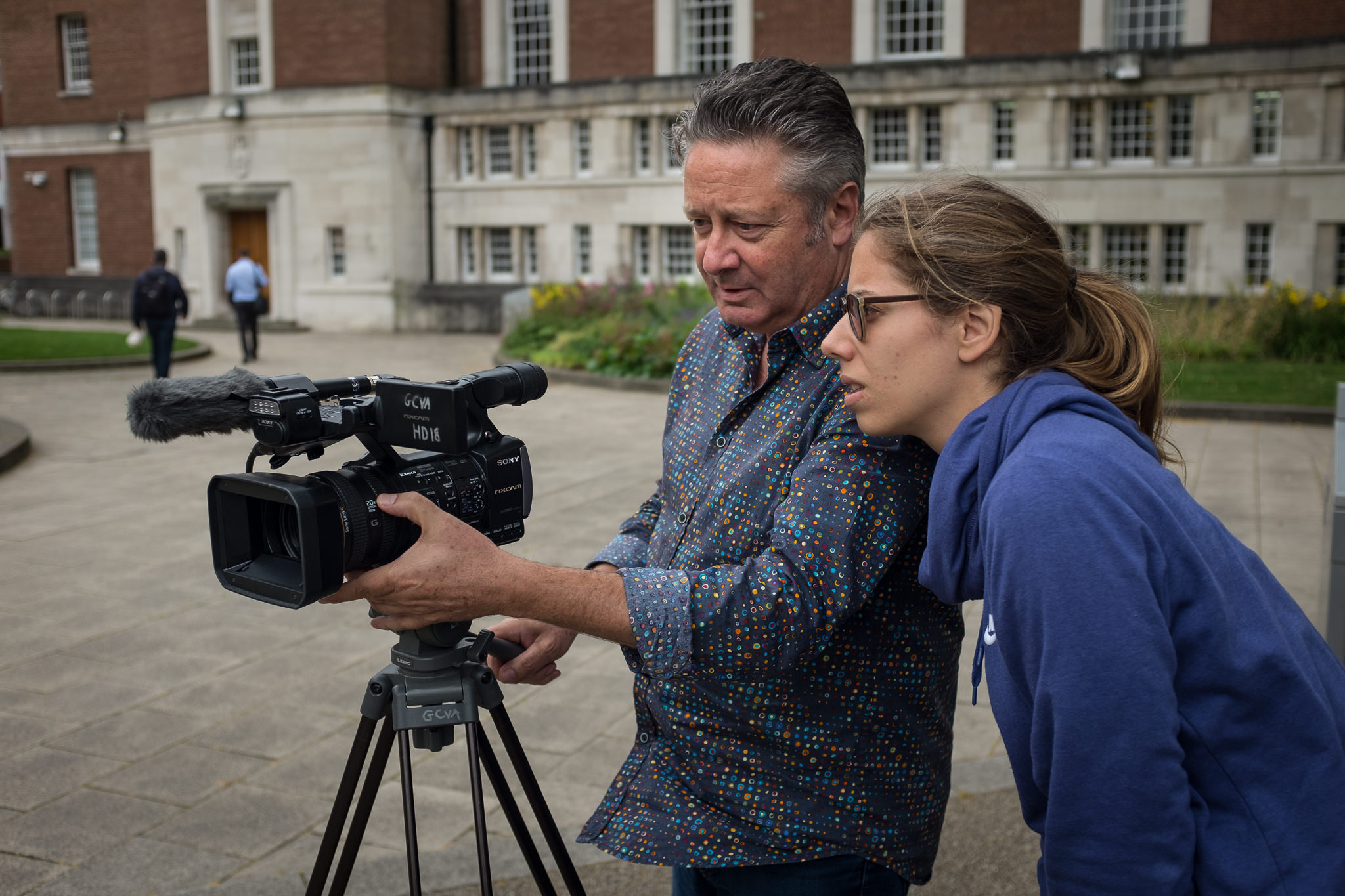
One of the most established trajectories among graduates is into film and moving image practice. This includes work across independent cinema, documentary, and streaming platforms, as well as collaborations with broadcasters—although increasingly, careers move fluidly across these spaces rather than being defined by television alone.
Visual anthropology graduates set themselves apart in this field not just through technical ability, but a particular way of working: combining filmmaking with ethnographic research, long-term engagement, and ethical collaboration. These skills are especially valuable in contemporary documentary, where access, trust, and depth are often what determine whether a project succeeds.
Several of our alumni have built careers across these contexts, working between independent production, international co-productions, and platform-based distribution. Notable achievements include Andrew Palmer, as producer, and Gavin Searle, as director, winning the 2011 BAFTA for Best Television Documentary Series for Welcome to Lagos (BBC/Keo Films). Ben Cheetham has been nominated for a BAFTA for his directing work. Gussy Sakula-Barry’s work as director and producer was also BAFTA-nominated and broadcast on BBC, Amazon Prime and Channel 4. More recently, in 2022, Jami Bennett won Best Student Documentary at the Grierson Awards with her graduation film Ten by Ten.
At the same time, our visual anthropology graduates are contributing to internationally recognised documentary culture. Ilinca Calugareanu’s films have screened at Sundance and reached global audiences through platforms such as Netflix. Practitioners/academics such as Yasmin Fedda have developed multi-award-winning films that have been broadcast (BBC, Al Jazeera) and screened internationally (Sundance, CPH:DOX, Edinburgh FF), while Rhys Lewis has worked across projects with organisations including the BBC, BFI, and Amazon. Ife Olatunji worked as a production manager on award-winning documentaries such as Descendant (Sundance, Netflix) and All the Beauty and the Bloodshed (Cannes, Oscar-Nominated).
These trajectories are not linked by a single model of success, but by a shared capacity to navigate different production environments while maintaining a commitment to storytelling grounded in lived experience.
Policy, NGOs, and Social Impact
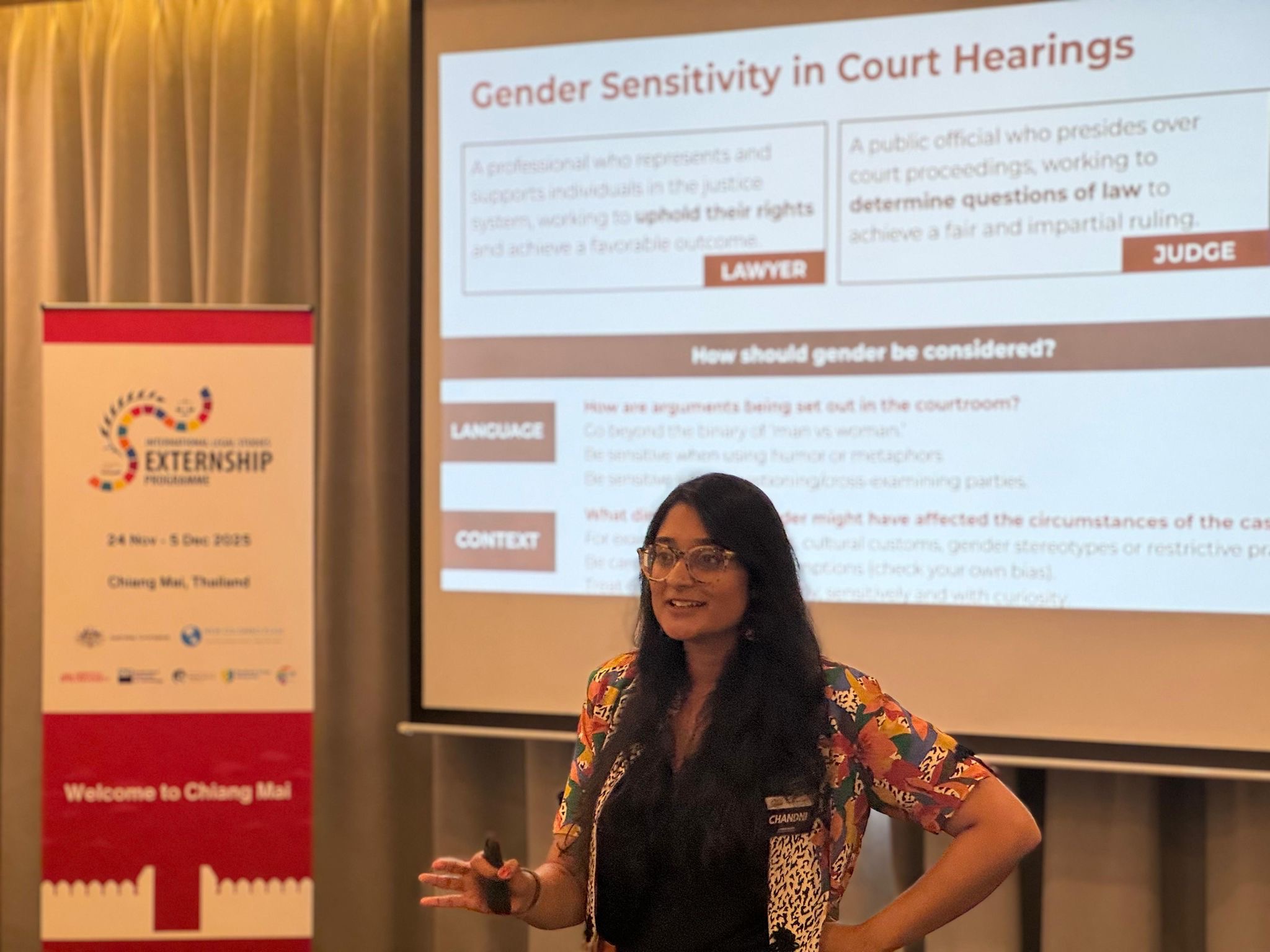
Another significant pathway is into socially engaged work, where visual anthropology is applied to questions of policy, inequality, and public engagement. Our alumni work across organisations that combine research, storytelling, and social impact.
Chandni Brown, for example, uses storytelling to conduct international and national advocacy campaigns for non-governmental organisations including not-for-profit networks in relation to social justice and sustainable development.
Joe Bonnell works in qualitative and insight-based research, applying ethnographic methods to understand people’s experiences and inform decision-making processes. His work involves designing and conducting research that captures lived experience in depth.
Isabelle Introna is an Ethnographic Researcher at Policy Lab UK, a civil service organisation tasked with improving policy making through design, innovation and people-centred approaches. She designs and analyses visual and collaborative research projects, supporting policy teams across government through ethnographic insight, as well as leading operational processes such as participant recruitment, onboarding, and data management. Her practice is grounded in collaborative and creative research, with a particular focus on social and climate justice.
These trajectories point to a growing area of employment: the integration of ethnographic and visual methods into policy, research, and impact-driven work.
Photography and Journalism
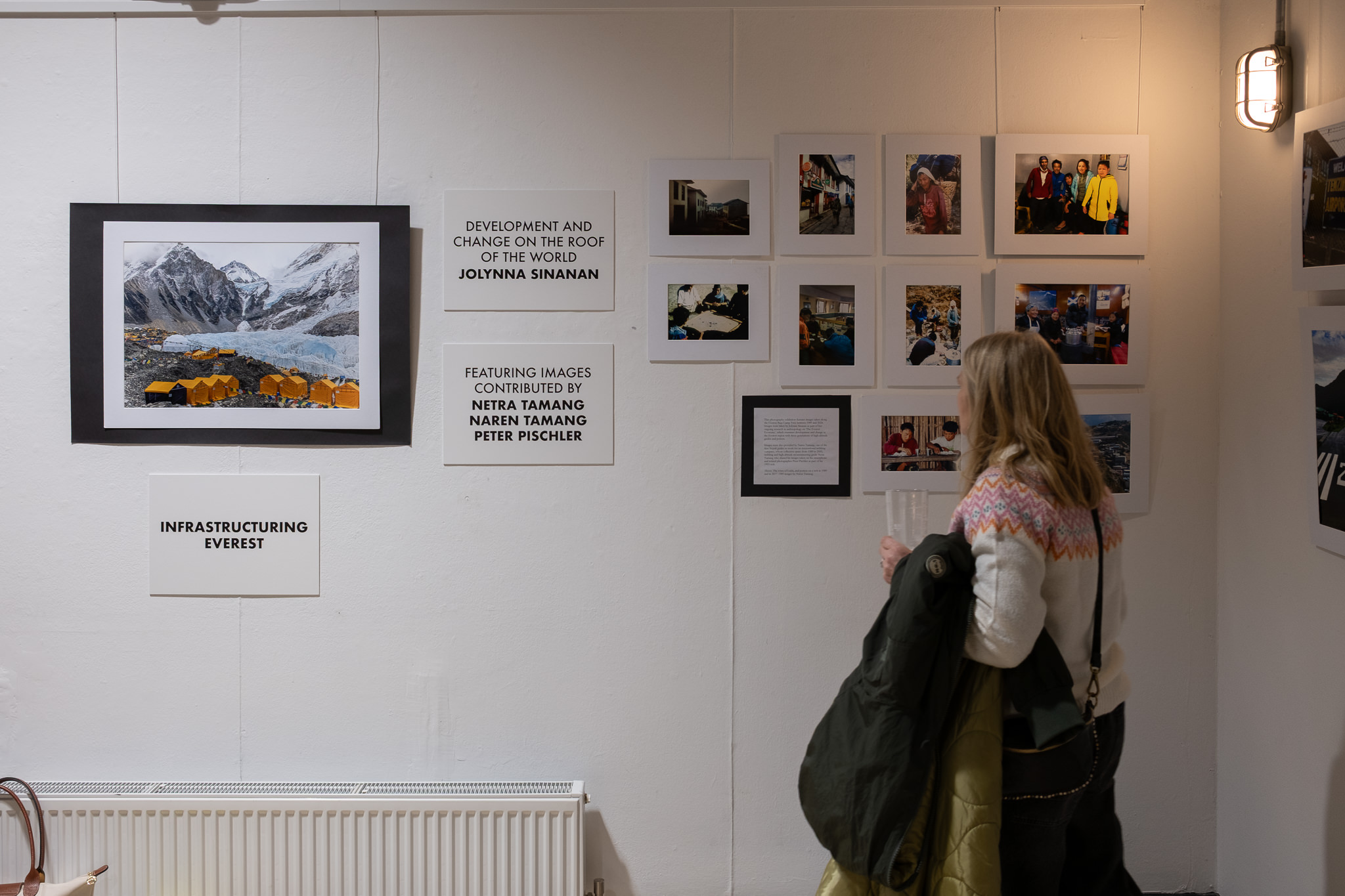
Visual anthropology also translates strongly into photography and journalism. Valeria Luongo works across long-term photographic projects that engage with themes such as ritual, spirituality, and gender. Her work has been published in major outlets including The Guardian and National Geographic.
What distinguishes this approach is depth. Rather than producing isolated images, it involves sustained engagement with subjects and contexts, resulting in work that is both visually compelling and narratively rich.
Museums and Cultural Institutions
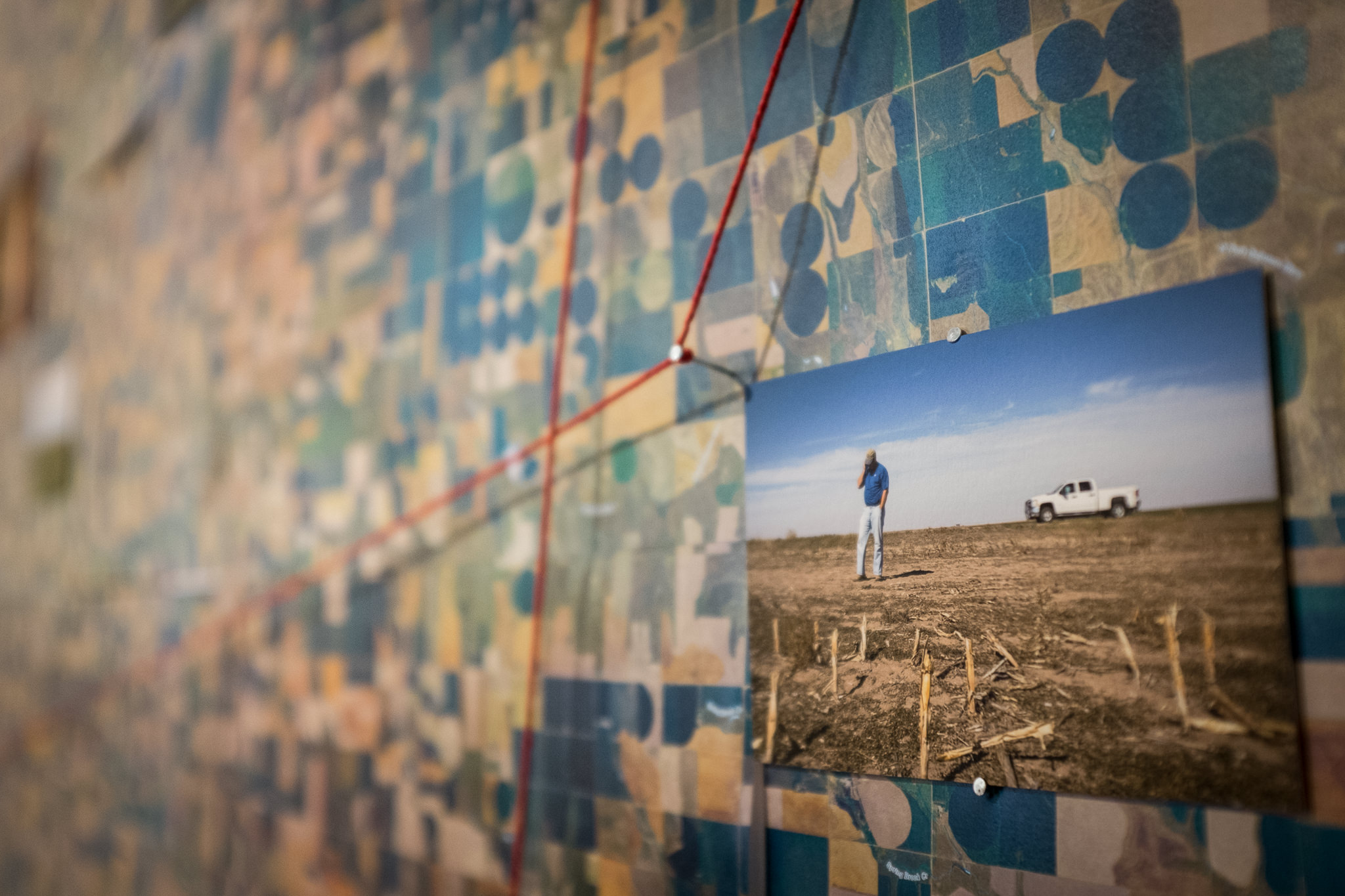
In the museum sector, visual anthropology contributes to new forms of curatorial practice. Dorien Theuns, working with the Stedelijk Museum Schiedam, focuses on participatory and community-based approaches to exhibition-making.
This reflects a broader shift towards co-creation with audiences, socially engaged programming, and critical approaches to representation. Visual anthropology training aligns closely with these developments, particularly in its emphasis on collaboration and reflexivity.
Academic Pathways
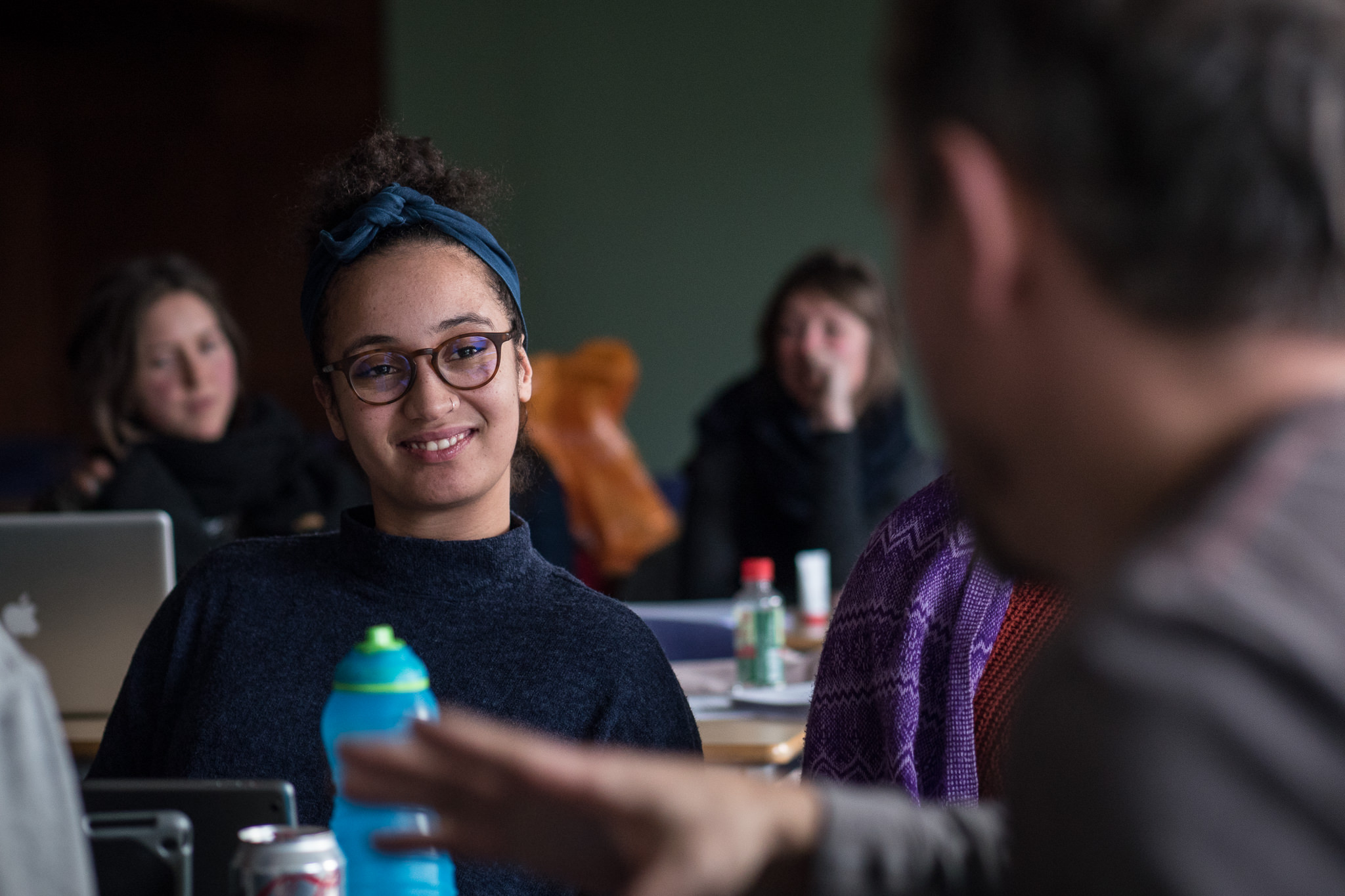
Our alumni have contributed to decisively shape the academic landscape of contemporary visual anthropology. They include leading figures in visual anthropology whose work has shaped the field internationally, such as Rane Willerslev, Sarah Pink, Sylvia Caiuby Novaes, and Michaela Schäuble.
More recently, Mati Dietrich is co-director of CameraWise – The Amsterdam Centre for Visual Anthropology and co-editor of the Journal of Anthropological Films (JAF), in addition to being assistant professor at the University of Amsterdam. Christine Moderbacher is assistant professor at the Arctic University of Norway, Tromsø.
A Different Kind of Career Path
Visual anthropology does not map onto a single profession. Instead, it provides a foundation for building a career that can evolve across sectors. Graduates often combine creative practice, research, collaboration, and independent projects, moving between roles over time.
In a way, these trajectories are connected by a shared approach: an ability to work with people, understand context, and communicate complex realities through visual means. MA Visual Anthropology alumni acknowledge the importance of their studies, with more than 66% agreeing that the MA “strongly or decisively shaped their professional trajectory”.
Is Visual Anthropology a Good Career Choice?
Yes—visual anthropology is a strong and viable career path. Our data shows that the vast majority of graduates are professionally active, and that their skills translate across a wide range of sectors. Many go on to work in film and moving image, while others build careers in research, policy, NGOs, journalism, and the cultural sector.
What makes this degree particularly valuable is its flexibility. Rather than preparing students for a single predefined job, it equips them with a set of skills that can be applied across multiple roles and industries.
In a job market that increasingly values storytelling, research, and the ability to work with people and complexity, visual anthropology graduates are well positioned to succeed.
If you’re interested in developing skills in storytelling, research, and visual practice—and applying them across film, media, research, and beyond—you can find out more about the programme here: