

Discover our offer of courses for different training and skill levels
City|Play
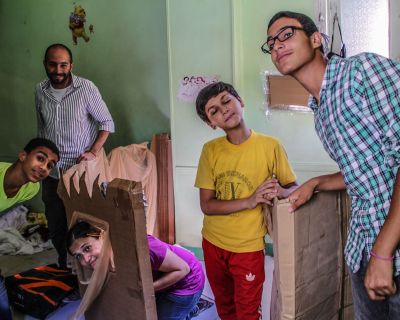
This participatory film, shot in Cairo, seeks to portray the different ways children play the city and play in the city, experimenting with the thin line that distinguishes play from reality. It was inspired by the mini city educational model, present in over 70 countries of the world, and took the name of Mini-Medina (‘mini-city’ in Arabic).
Video
MPhil
2015
Traces
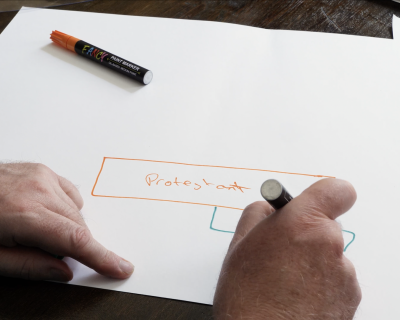
This film centres the experiences of two Catholic walking tour guides in Belfast as they consider the legacy of the Troubles, reflect on their subjective pasts, and look to the future. It captures a process of participatory mapping, revealing insights into the visual language, storytelling and territoriality of tour guides in the divided city.
Video
MA
2022
A Home Made Strange
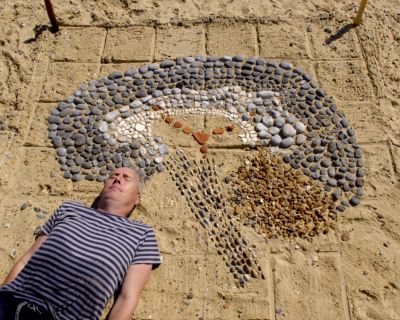
After my father, Ian, suffered two brain hemorrhages in 2012, the world as he knew it became completely transformed. He faces long-term neurological problems related to speech, memory, comprehension and fatigue. In the film we explore how his relationships with people and everyday life has changed, how he actively continues to make sense of his new perceptual and imaginative world.
Video
MA
2016
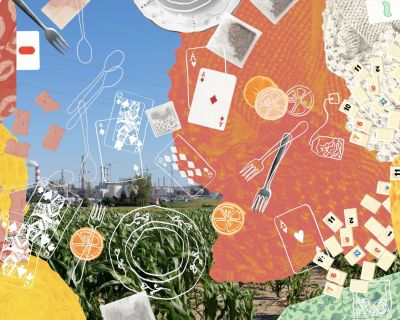
(Dis)connection
Photographs selected and described by migrant workers at a petrochemical site reveal intimate narratives of migration and care, while a film presents the shared experience of the workers.
Photography, Video
MA
2025
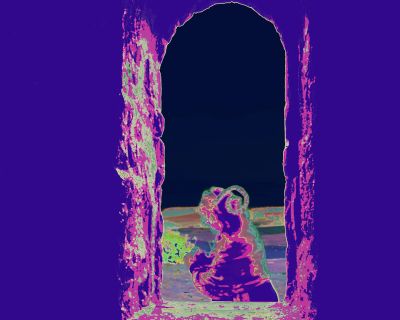
I’m Lee not Emily
An ethnofictional film on inhabiting a trans and disabled body while navigating queer polyamory, community care, and imagination. Set against the backdrop of a transphobic healthcare system and the rising tides of fascism in the UK, the film follows Lee, as an abundance of love shared among partners begins to fracture under the weight of mental health struggles imposed by systemic neglect.
Video
MA
2025
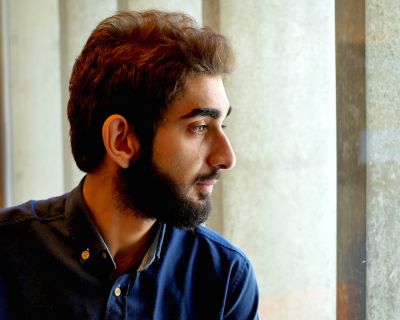
A Place Elsewhere
This collaborative film-making and participatory photography project follows Hevin, Mohamed and Mireille, who all came to the Danish city of Randers after fleeing from their homelands, Syria and Congo. It explores how they interact with Randers, and how their interactions relate to the narratives they each create of migrating and resettling.
Photography, Video
MA
2015
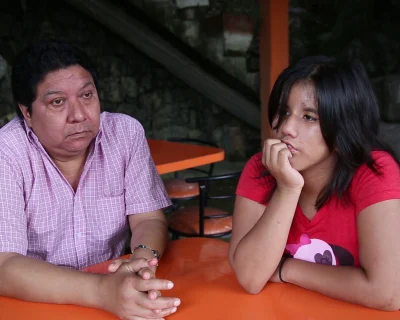
La Promesa
Based on a mix of fiction and reality and realised in collaboration with the characters, the film traces the experience of Omar, “El Jarocho”, and his daughter Brisa, showing their relationship with soft drinks and the “strategies” they apply to avoid health problems.
Video
MA
2017
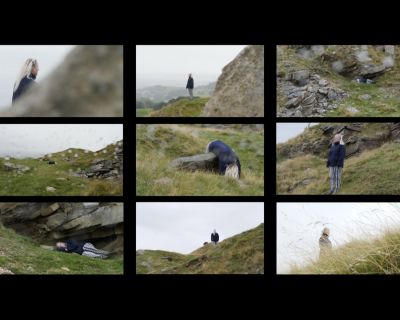
Dancing in Pott Shrigley
This experimental installation film explores Environmental Dance as a way of engaging nature through movement. Made in collaboration with Dr. Gemma Collard-Stokes to be an installation piece, this film documents Gemma’s interactions with various spaces within what used to be a coal mine in Pott Shrigley, Macclesfield.
Sound, Video
MA
2021
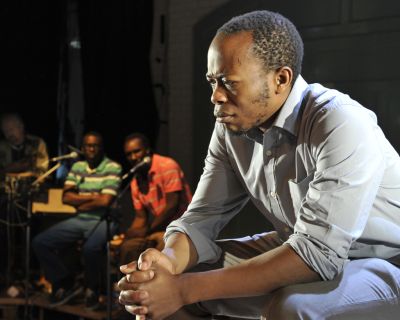
The Man Who almost Killed Himself
A collaborative play and multimedia project based on anthropological research by Andrew Irving and directed by Josh Azouz. It premiered at the Edinburgh Festival, featuring a Ugandan protagonist whose suicide attempts are repeatedly foiled by a 5,000-year-old god, exploring themes of mortality, culture, and life in Uganda.
Performance, Video
Staff
2014
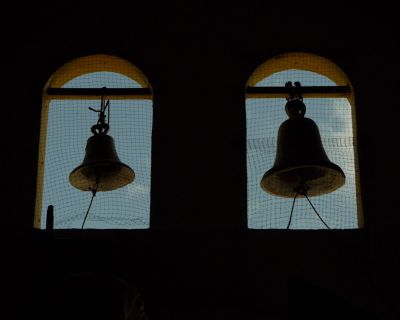
A Future Buried in the Past
In the Colombian Caribbean, the phantasmagorical presence of the disappeared Ingenio Central Colombia (Sugarcane Mill Central Colombia 1909-1953) is being unearthed by the elder’s stories and the paintings of a primitivist artist. In the plantation complex César Villa Gutiérrez, the main participant, claims the right to look.
Video
MA
2022
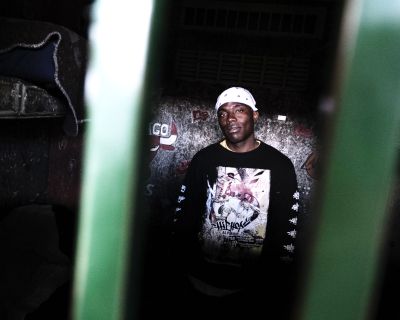
Hip-Hop, mi desahogo
Doing time anywhere is tough, but especially in Latin America. The majority of prisoners on the continent have to deal with overcrowding, poor conditions, and there are regular cases of human rights abuses. In the summer of 2013 I was lucky enough to be given permission to film in one of the region’s best prisons. I spend over two months inside Colombia’s Distrital prison, where the emphasis is placed upon rehabilitation, and inmates have the opportunity to take part in workshops that provide them with the skills they need once they leave prison.
Video
MA
2013
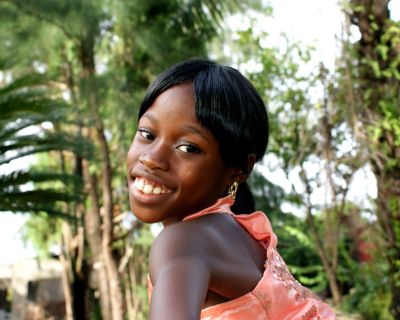
Shooting Freetown
The film follows three people forging their way in film and music in the nation’s capital, facing the constant struggles with vision and resourcefulness. By incorporating collaborative video projects, their stories give a fresh image of post-war Freetown – presented to the world through their own lens.
Video
MA
2011
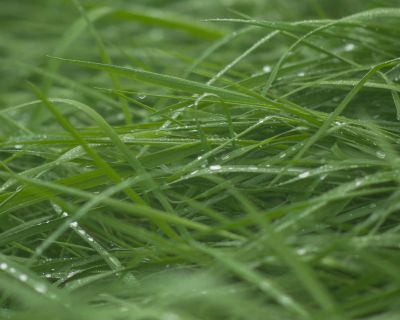
Living the Weather
An experimental and collaborative documentary on people’s everyday experiences of the weather and seasons in the Calder Valley, West Yorkshire. Part of a research project funded by the Leverhulme Trust and led by Professor Jennifer Mason at the Morgan Centre for Research into Everyday Lives, Department of Sociology, University of Manchester
Video
Staff
2016
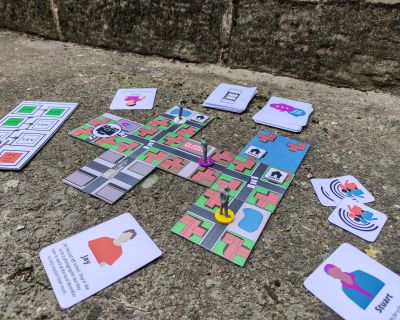
Solidarity
A board game based on collaborative design sessions, which aims to generate hope through collective action in a time of uncertainty. Set in 2040s Britain, players are given a character who has become dissatisfied by suburban sprawl, filled with carbon-copy houses, the ruins of community buildings from the past, police and climate disasters.
Performance
MA
2021
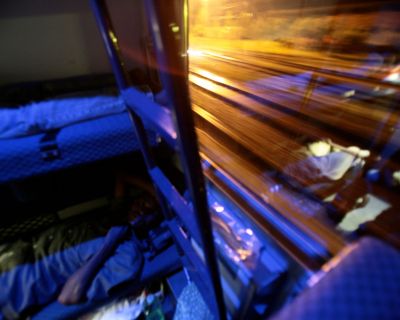
Caught in Between Darkness and Light
This photographic audio-documentary tells the story of the brief journey that a small group of refugees took from Milan to Calais. One of the objectives of this project was to give an alternative representation of refugee experiences to those produced by national and international official media, most of which reflect and enhance the growing xenophobic tendency that accentuates a sense of otherness and alienation by cultivating popular feelings of fear or pity.
Photography, Sound
MA
2008
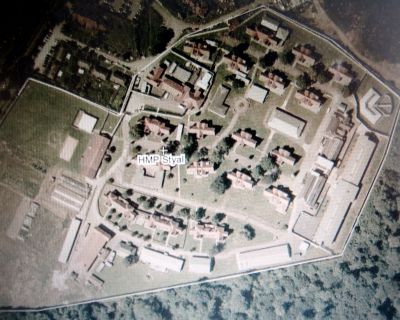
Take Me To A Place Outside
A phenomenological enquiry into the experience of imprisonment. Drawing on anthropologically informed theories of perception and imagination this film explores the relationship between the real and the unreal, the physical and the imagined, and the in- and the outside as rendered through the experience of everyday life in prison.
Photography, Sound, Video
MA
2009