

Discover our offer of courses for different training and skill levels
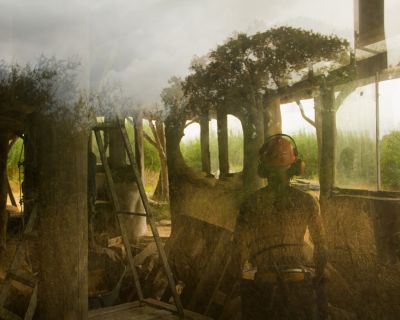
Living for living
Using photography, soundscape recording, and photo elicitation interviews, this work aims to represent the relationships that people of the Lammas Ecovillage in West Wales are creating with the environment, buildings, animals, market and people around them as they optimistically build an ecological way of being in response to the socio-material conditions of climate change.
Photography
MA
2014
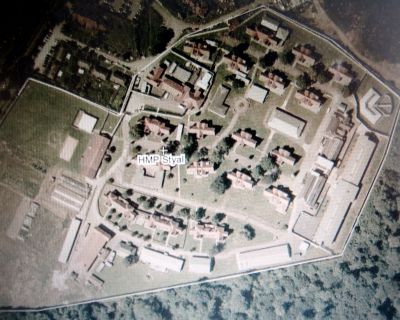
Take Me To A Place Outside
A phenomenological enquiry into the experience of imprisonment. Drawing on anthropologically informed theories of perception and imagination this film explores the relationship between the real and the unreal, the physical and the imagined, and the in- and the outside as rendered through the experience of everyday life in prison.
Photography, Sound, Video
MA
2009
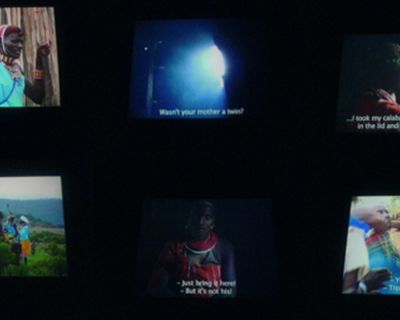
After The Rains Came
Seven short stories about objects and lifeworlds among the cow herding Samburu people of Northern Kenya. My original intention had been no explore the biographical nature of Samburu bodily adornment, but there was a twist: this region had been suffering a long drought and it did not feel appropriate to make a film about beads while people were just trying to survive.
Video
MA
2006
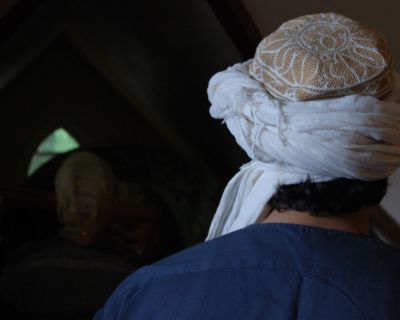
Imagining Islam
This study explores an Islam envisioned by a specific reform movement that aims to refashion Islamic identity through aesthetic practice. I argue that fragmented communities can experience moments of unity through the creation of a shared sensory experience. Through this, pious arts in the UK are contributing to the creation of a moral space that does not oppose Islam and the West but reconciles divisions through the enchanted self.
Sound
MA
2012
A Home Made Strange
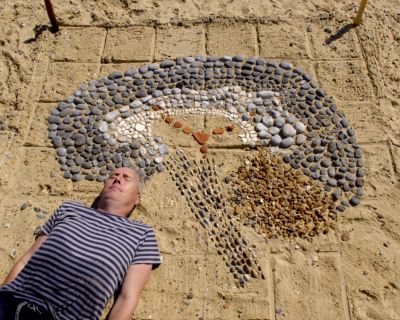
After my father, Ian, suffered two brain hemorrhages in 2012, the world as he knew it became completely transformed. He faces long-term neurological problems related to speech, memory, comprehension and fatigue. In the film we explore how his relationships with people and everyday life has changed, how he actively continues to make sense of his new perceptual and imaginative world.
Video
MA
2016
Living the Weather
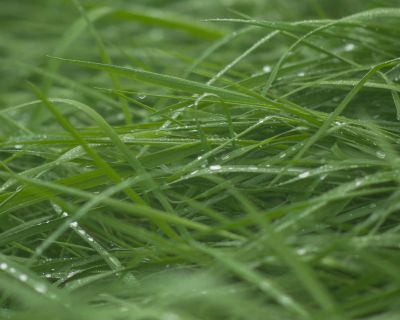
An experimental and collaborative documentary on people’s everyday experiences of the weather and seasons in the Calder Valley, West Yorkshire. Part of a research project funded by the Leverhulme Trust and led by Professor Jennifer Mason at the Morgan Centre for Research into Everyday Lives, Department of Sociology, University of Manchester
Video
Staff
2016
Apis
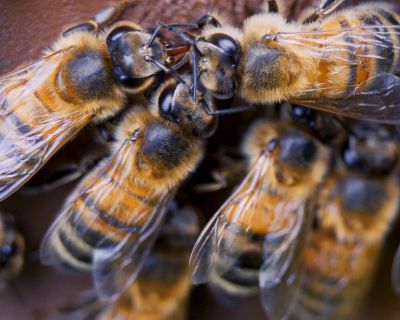
Beekeeping in the United Kingdom is experiencing increasingly difficult seasons. Apis – Latin for bee – is a short film which delves into how these relationships are changing due to the impending climate crisis.
Sound, Video
MA
2023
The Depth Beneath, The Height Above
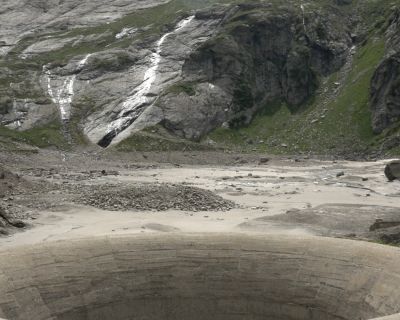
This film consists in an exploration of the high alpine region of Robiei, southern Switzerland. Conceived as a sensory piece, the film particularly focuses on the existing relationships between the humans, animals, infrastructural and natural elements that compose Robiei’s specific landscape.
Video
MA
2017
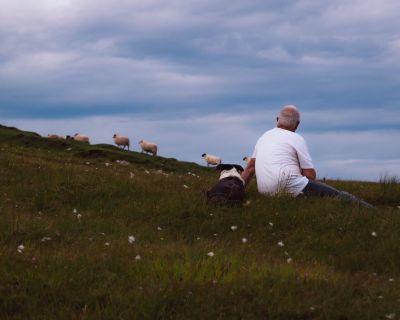
Heritage, Herd, Horizon
A photo essay that explores the lives of crofters on the Isle of Harris, located in the Outer Hebrides of Scotland. It examines the intricate relationships between crofters and their sheep, highlighting how these bonds have been shaped by the crofters’ experiences in sheep farming.
Photography
MA
2025
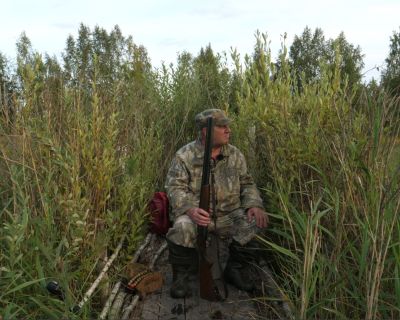
Natural Born Hunters
An ethnographic film that follows a group of city lawyers on a recreational hunting trip to a small village in the West of Russia. It explores issues of class, (toxic) masculinity and man’s complex relationship with nature. It outlines a rare instance of male sociality that — while potentially problematic from an ethical standpoint — allows for a temporary transcendence of socio-economic and political divisions present in contemporary Russia.
Video
MA
2019
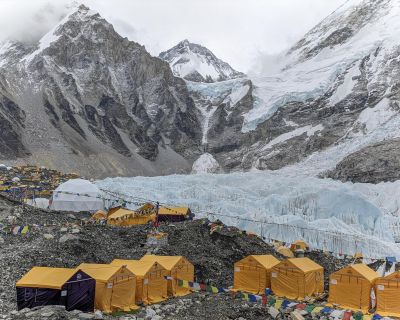
Infrastructuring Everest
A selection of images from Jolynna Sinanan’s photography exhibition in collaboration with high-altitude trekking and mountaineering guides the uneasy relationship between development and tourism in the Khumbu (Mount Everest) region, Nepal over the past three decades. The exhibition was part of Kendal Mountain Festival in 2024, which attracted over 27,000 viewers over four weeks.
Photography
Staff
2024
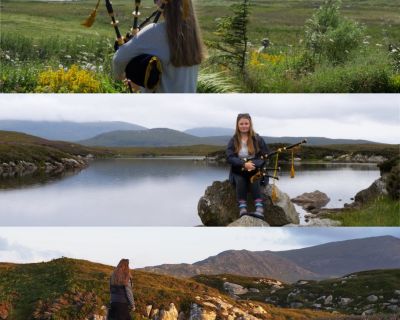
The Rhythm of Uist
This film is a lyrical meditation that takes the audience to the Outer Hebrides of Scotland, immersing them in the sphere of life for three young adults who have grown up on the Isles of Uist. Through focusing on the stories and everyday mundane activities experienced by each protagonist it aims to provide a new way of understanding and experiencing island life.
Video
MA
2021
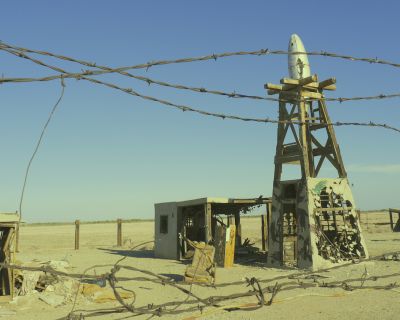
Where the Beach is Made of Bones
This project uses photography, sound, and mixed media to transport the viewer to the Salton Sea and its surrounding communities of Bombay Beach and Slab City. The communities exist within a conceptual blank space in inland California. In this corner of the Mojave Desert, Individuals have gravitated to this space over time, booming and busting in regular intervals. It has been known for brief moments to the outside world, as a tourist destination, has occasionally been featured in films like ‘Into the Wild’, or brought to prominence when people flood into Coachella for the music festival.
Photography, Sound
MA
2016
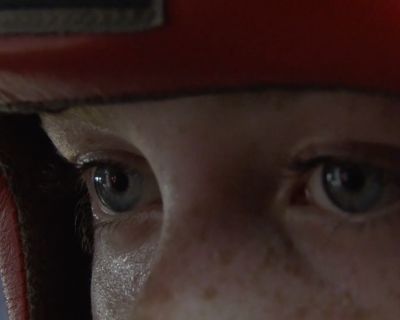
Rounds
Rounds is a film that explores notions of masculinity and the social functions of place from three different generational perspectives in a boxing gym in Newport, South Wales. The film evokes experience in the gym, concentrating on the intense structures and rhythms of a training session that over time shape the pugilist’s sense of self.
Video
MA
2016
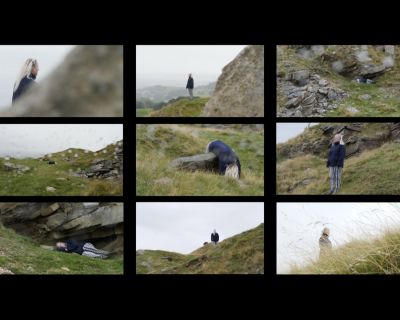
Dancing in Pott Shrigley
This experimental installation film explores Environmental Dance as a way of engaging nature through movement. Made in collaboration with Dr. Gemma Collard-Stokes to be an installation piece, this film documents Gemma’s interactions with various spaces within what used to be a coal mine in Pott Shrigley, Macclesfield.
Sound, Video
MA
2021
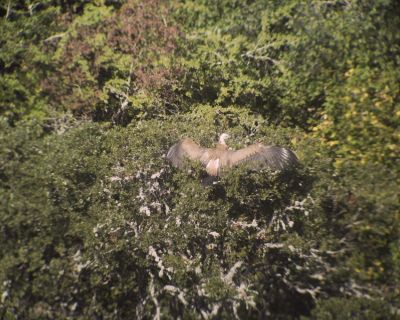
Above 592 Meters
On the slopes of the Spanish Pyrenees, the construction of the Itoiz Dam in the 1990s flooded seven villages. A line of raw rock encircles the contained green water, marking the landscape with a scar that recalls the still acute injury of the residents displaced 592 metres higher up.
Video
MA
2017
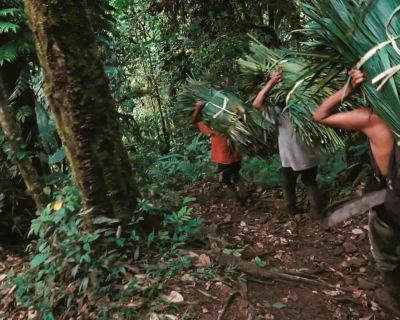
Kanarta
Sebastian and Pastora live in a Shuar village in the Upper Amazonia of Ecuador. Sebastian is not only a respected healer, but also a medicinal botanist who experiments with unknown plants he encounters in the forest. His unique practice seeks to cultivate new knowledge, reconnecting him with his ancestors. Pastora is one of the rare female leaders in Amazonia, who struggles to negotiate with local authorities for her community.
Video
PhD
2020
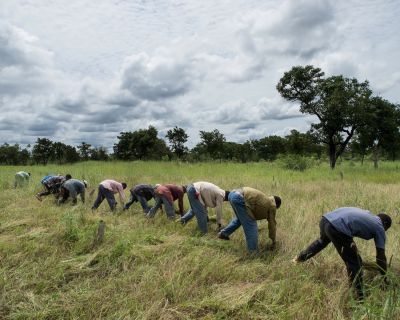
Work and the Environment in Burkina Faso
Six short films exploring work and the relationship of Sambla people of Burkina Faso with their environment. Shot and edited in the field, they are conceived as audiovisual essays on the interplay of human-produced sounds and modifications of the environment.
Sound, Video
PhD
2012
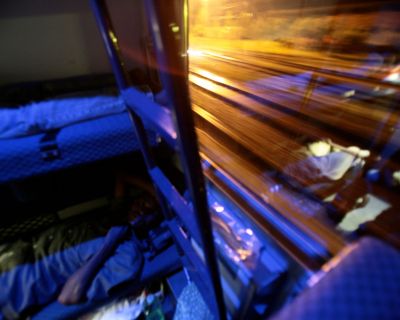
Caught in Between Darkness and Light
This photographic audio-documentary tells the story of the brief journey that a small group of refugees took from Milan to Calais. One of the objectives of this project was to give an alternative representation of refugee experiences to those produced by national and international official media, most of which reflect and enhance the growing xenophobic tendency that accentuates a sense of otherness and alienation by cultivating popular feelings of fear or pity.
Photography, Sound
MA
2008
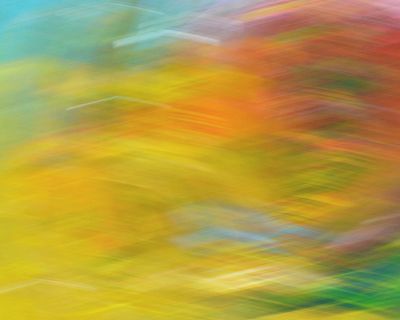
Life Lived in Colour
This project explores the huge changes that take place in the life of one woman, Soozie, who after suffering from profound hearing loss for over 20 years, has had a good level of hearing restored through undergoing cochlear implant (CI) surgery.
Sound
MA
2011
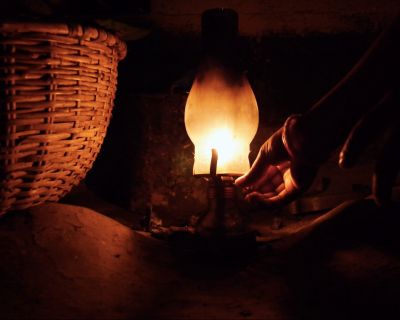
Niishii – Night Worlds
Set in Dubrajpur (West Bengal, India) during the summer monsoons of June and July, Niishii is an ethnographic film that attempts to capture the essence of the semi-urban night in a small town from its pre-electrification years as a village before 1958 to its radically altered present state.
Video
MA
2017