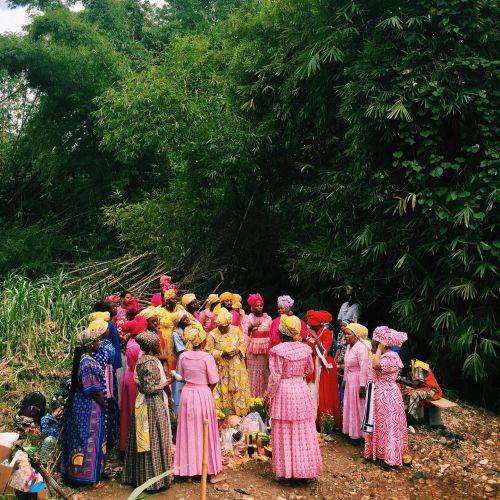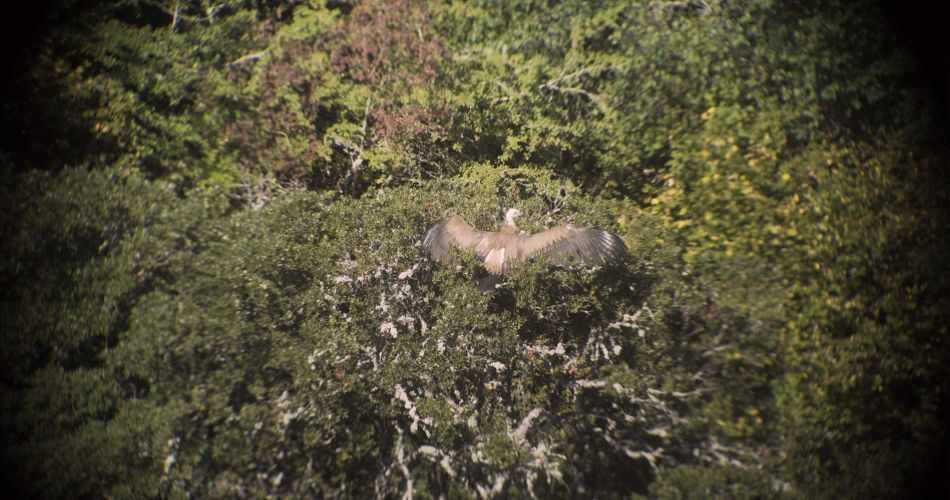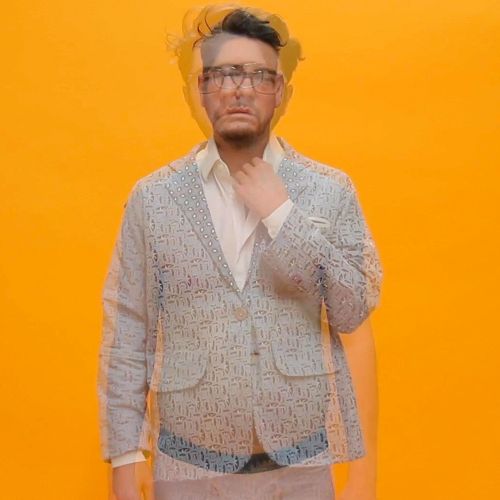

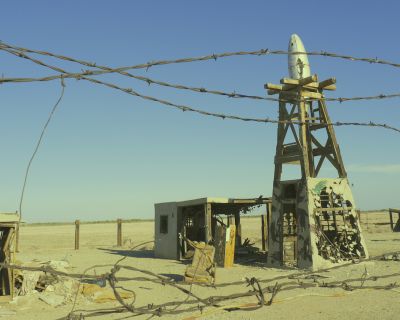
This project uses photography, sound, and mixed media to transport the viewer to the Salton Sea and its surrounding communities of Bombay Beach and Slab City. The communities exist within a conceptual blank space in inland California. In this corner of the Mojave Desert, Individuals have gravitated to this space over time, booming and busting in regular intervals. It has been known for brief moments to the outside world, as a tourist destination, has occasionally been featured in films like ‘Into the Wild’, or brought to prominence when people flood into Coachella for the music festival.
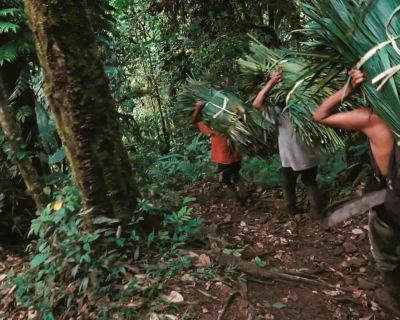
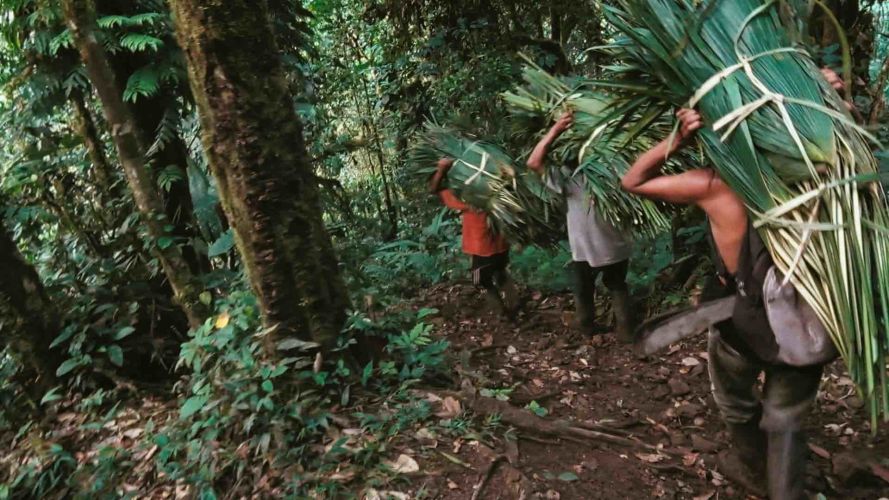
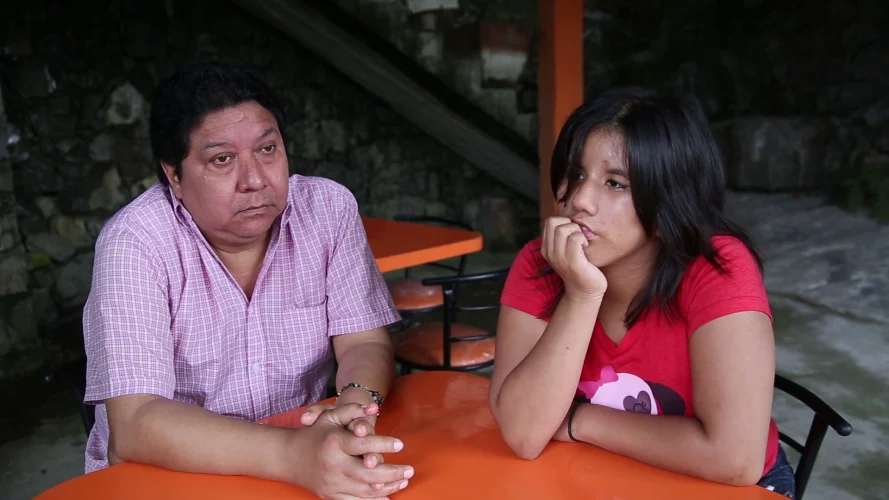
Sebastian and Pastora live in a Shuar village in the Upper Amazonia of Ecuador. Sebastian is not only a respected healer, but also a medicinal botanist who experiments with unknown plants he encounters in the forest. His unique practice seeks to cultivate new knowledge, reconnecting him with his ancestors. Pastora is one of the rare female leaders in Amazonia, who struggles to negotiate with local authorities for her community.
Using photography, soundscape recording, and photo elicitation interviews, this work aims to represent the relationships that people of the Lammas Ecovillage in West Wales are creating with the environment, buildings, animals, market and people around them as they optimistically build an ecological way of being in response to the socio-material conditions of climate change.
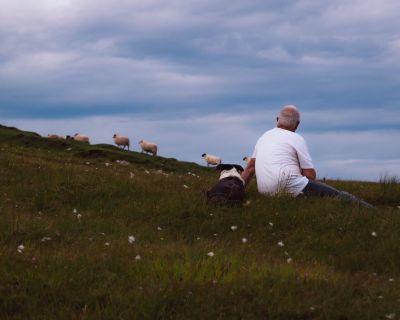
A photo essay that explores the lives of crofters on the Isle of Harris, located in the Outer Hebrides of Scotland. It examines the intricate relationships between crofters and their sheep, highlighting how these bonds have been shaped by the crofters’ experiences in sheep farming.
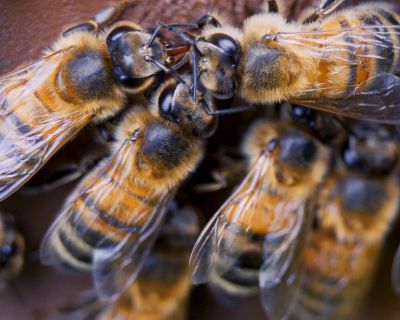
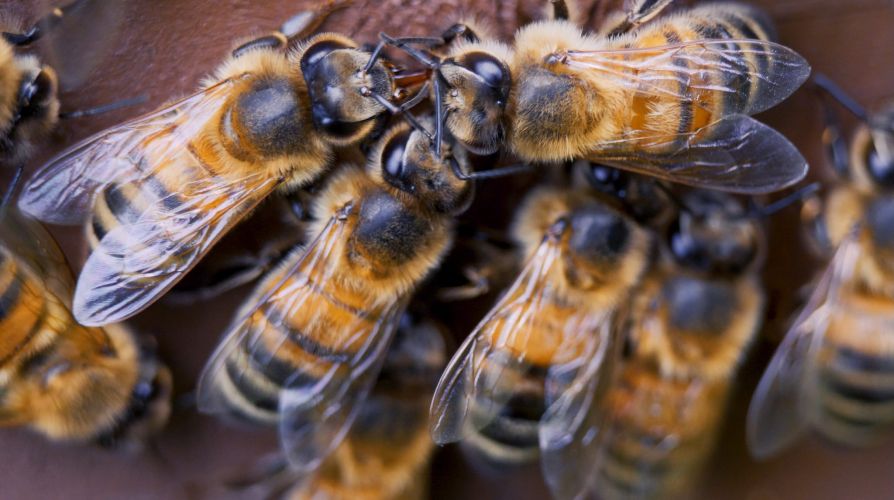
Beekeeping in the United Kingdom is experiencing increasingly difficult seasons. Apis – Latin for bee – is a short film which delves into how these relationships are changing due to the impending climate crisis.
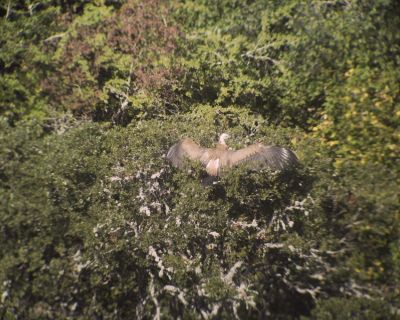
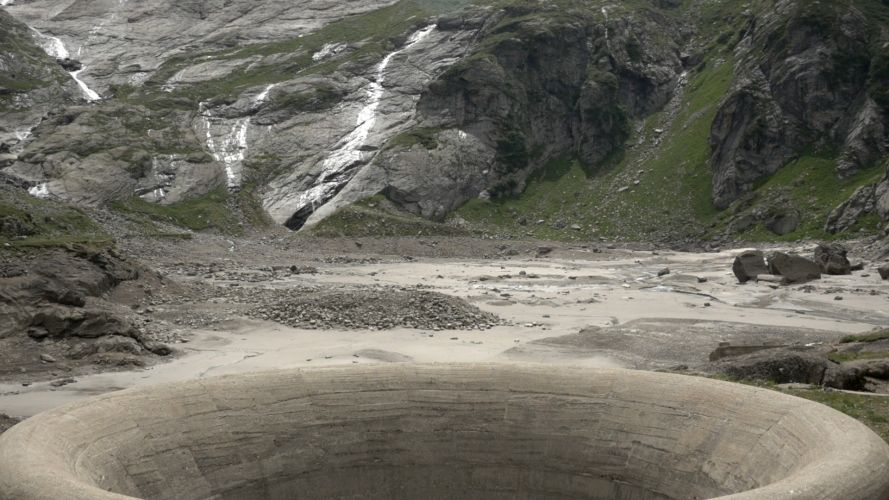
On the slopes of the Spanish Pyrenees, the construction of the Itoiz Dam in the 1990s flooded seven villages. A line of raw rock encircles the contained green water, marking the landscape with a scar that recalls the still acute injury of the residents displaced 592 metres higher up.
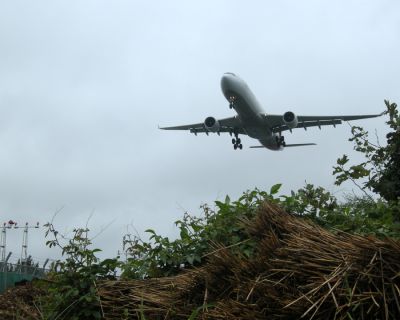
A collaborative project exploring the heard world of one farming family whose organic holding is now encircled by an international airport in Narita, Japan. The project went on to become a CD-book, a touring film and a gallery installation.
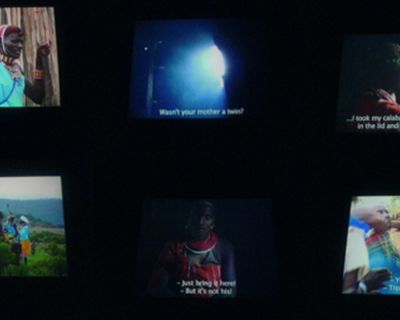
Seven short stories about objects and lifeworlds among the cow herding Samburu people of Northern Kenya. My original intention had been no explore the biographical nature of Samburu bodily adornment, but there was a twist: this region had been suffering a long drought and it did not feel appropriate to make a film about beads while people were just trying to survive.
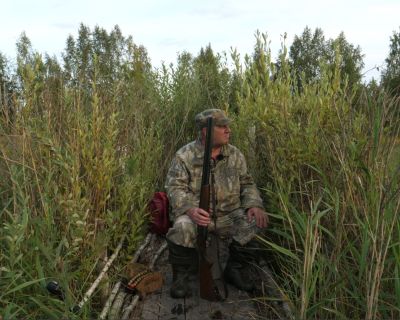
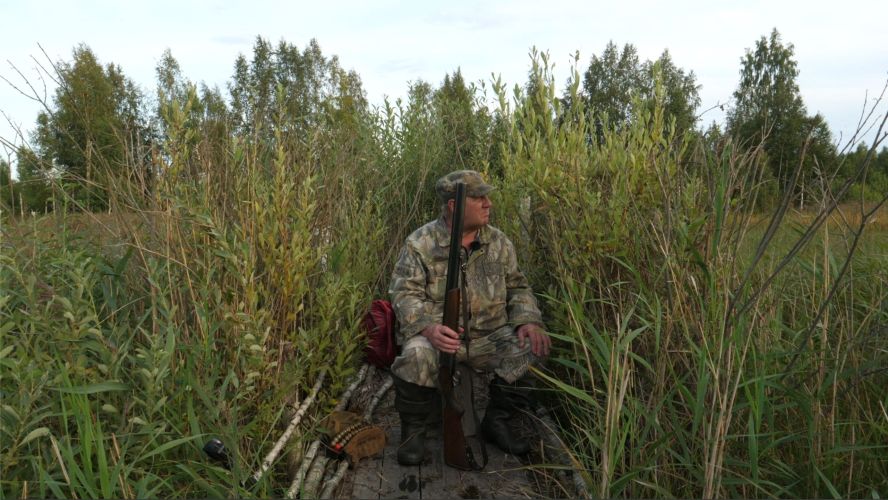
An ethnographic film that follows a group of city lawyers on a recreational hunting trip to a small village in the West of Russia. It explores issues of class, (toxic) masculinity and man’s complex relationship with nature. It outlines a rare instance of male sociality that — while potentially problematic from an ethical standpoint — allows for a temporary transcendence of socio-economic and political divisions present in contemporary Russia.
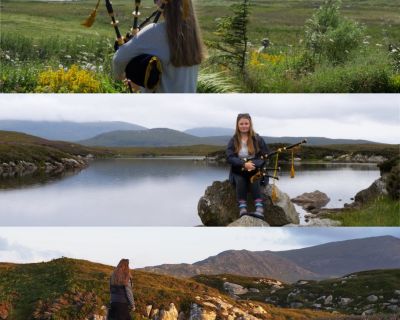
This film is a lyrical meditation that takes the audience to the Outer Hebrides of Scotland, immersing them in the sphere of life for three young adults who have grown up on the Isles of Uist. Through focusing on the stories and everyday mundane activities experienced by each protagonist it aims to provide a new way of understanding and experiencing island life.
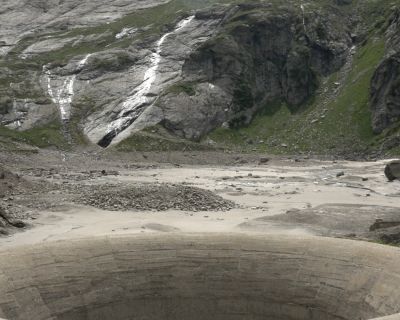
This film consists in an exploration of the high alpine region of Robiei, southern Switzerland. Conceived as a sensory piece, the film particularly focuses on the existing relationships between the humans, animals, infrastructural and natural elements that compose Robiei’s specific landscape.
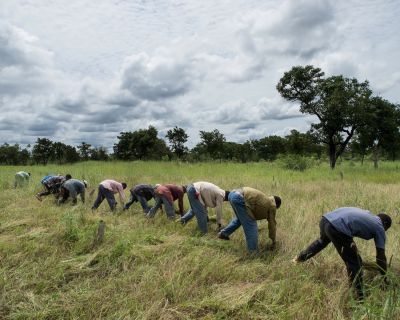
Six short films exploring work and the relationship of Sambla people of Burkina Faso with their environment. Shot and edited in the field, they are conceived as audiovisual essays on the interplay of human-produced sounds and modifications of the environment.
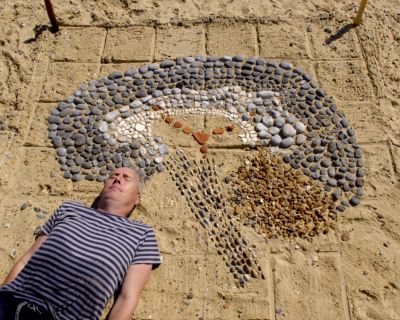
After my father, Ian, suffered two brain hemorrhages in 2012, the world as he knew it became completely transformed. He faces long-term neurological problems related to speech, memory, comprehension and fatigue. In the film we explore how his relationships with people and everyday life has changed, how he actively continues to make sense of his new perceptual and imaginative world.
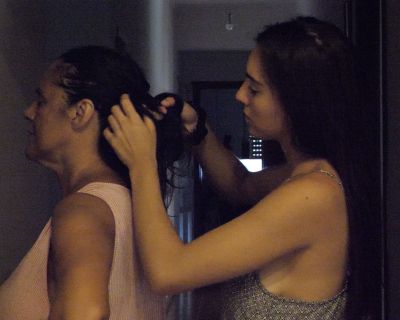
Centring the daughter’s experience, In Touch follows and examines three complex mother-daughter relationships from three distinct cultural settings that share one commonality: a daughter who has studied and, crucially, chosen to remain abroad. Independence, groundlessness, possibilities: experiences indicative of the emerging adult reality.
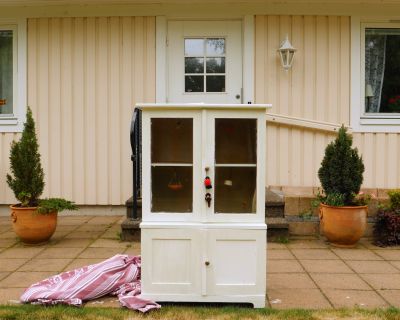
Using an old dollhouse as a visual metaphor for refurnishing the memories of her life, the film follows Lisbeth Svenson (my grandmother) and her son Anders Runesson (my father) as they begin to explore the impacts of grief as it reverberates through a family in the south of Sweden.
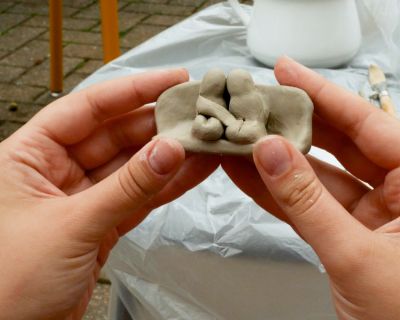
In 1953, Claire Leven traveled to Florence, Italy to study the lost-wax process of sculpting. After her passing in 2021, her granddaughter decided to do the same, embarking on a journey to discover more about her grandmother’s mysterious artistic past.
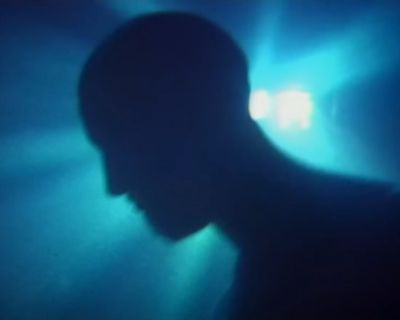
A documentary centred on Brian King—known by his drag persona “Brenda”—and Gerry Potter, two pivotal figures in Liverpool’s LGBTQ+ theatre and performance scene. As Brian’s health declines due to HIV/AIDS, the film follows Gerry as he struggles to negotiate the fragile boundary between life and art, confronting the loss of a collaborator, performer and close friend.
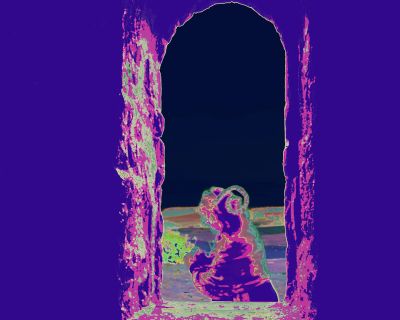
An ethnofictional film on inhabiting a trans and disabled body while navigating queer polyamory, community care, and imagination. Set against the backdrop of a transphobic healthcare system and the rising tides of fascism in the UK, the film follows Lee, as an abundance of love shared among partners begins to fracture under the weight of mental health struggles imposed by systemic neglect.
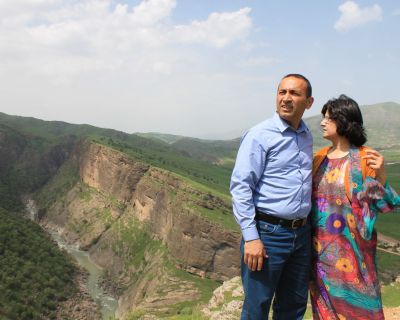
Exploring diaspora and migration dynamics, this film follows my parents’ return to their homeland in Iraqi Kurdistan after having lived in the Netherlands for over 20 years. It is as much about the reshaping of normative frameworks as it is about my parents’ relationship, which I approach in a self-reflexive manner.
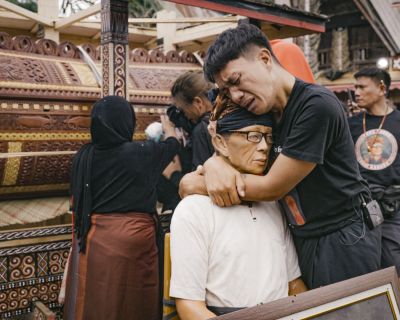
This ethnographic film explores the unique approached to death among Torajan People of South Sulawesi, Indonesia. It contrasts the funerary practices of two families who adhere to Aluk to Dolo belief system and who have recently converted to Christianity – one middle class and one upper class – both deeply devoted to honouring the deceased fathers.
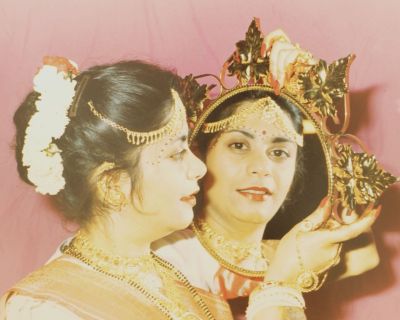
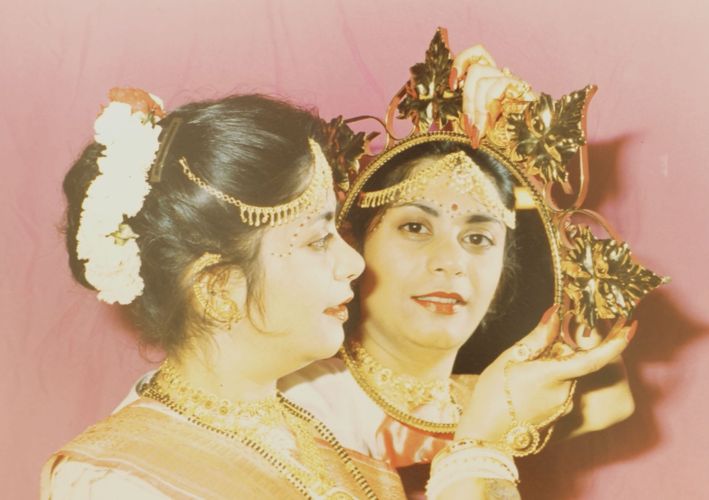
Hina is a wife, mother and ‘twice migrant.’ For the past 38 years, she has dedicated herself to becoming the ‘perfect Indian wife.’ But after a lifetime of trying, she is now ready to find out who she really is. Exploring themes of migration, gender and arranged marriage, Sahan Shakti is a multi-award-winning ethnographic documentary following the life of Hina, a 60-year-old twice-migrant as she begins to rebuild her life post-divorce.
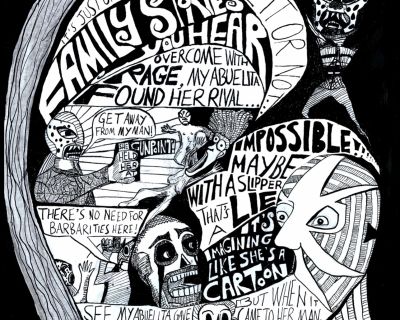
As a graphic ethnography of Mexican family stories, this comic book is an overview of a family mythos about (great-)grandparents and the multiple ways in which family members conceptualise memory and perceive reality through family storytelling. Working within the realms of auto-ethnography, comics theory and the recent so-called “graphic narrative turn” in Anthropology, this project attempts to bring together a partial view of multiple perspectives in order to render visible the ambivalent and uncertain realities of Mexican family myths.
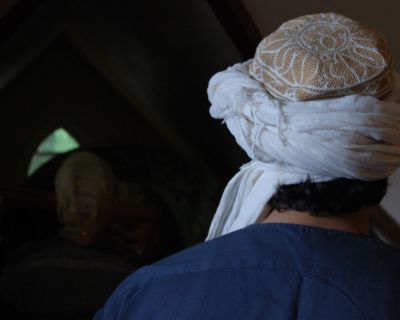
This study explores an Islam envisioned by a specific reform movement that aims to refashion Islamic identity through aesthetic practice. I argue that fragmented communities can experience moments of unity through the creation of a shared sensory experience. Through this, pious arts in the UK are contributing to the creation of a moral space that does not oppose Islam and the West but reconciles divisions through the enchanted self.
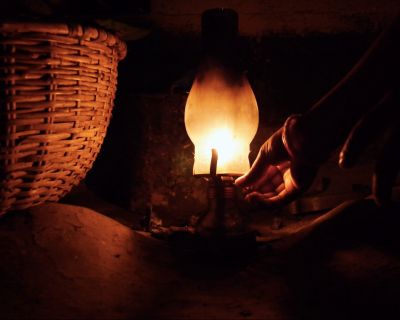
Set in Dubrajpur (West Bengal, India) during the summer monsoons of June and July, Niishii is an ethnographic film that attempts to capture the essence of the semi-urban night in a small town from its pre-electrification years as a village before 1958 to its radically altered present state.
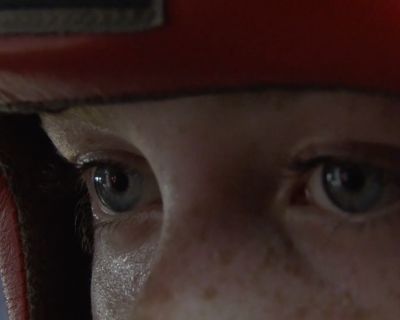
Rounds is a film that explores notions of masculinity and the social functions of place from three different generational perspectives in a boxing gym in Newport, South Wales. The film evokes experience in the gym, concentrating on the intense structures and rhythms of a training session that over time shape the pugilist’s sense of self.
After my father, Ian, suffered two brain hemorrhages in 2012, the world as he knew it became completely transformed. He faces long-term neurological problems related to speech, memory, comprehension and fatigue. In the film we explore how his relationships with people and everyday life has changed, how he actively continues to make sense of his new perceptual and imaginative world.
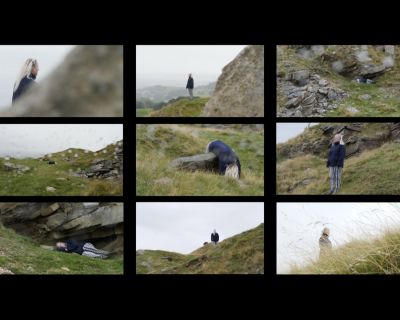
This experimental installation film explores Environmental Dance as a way of engaging nature through movement. Made in collaboration with Dr. Gemma Collard-Stokes to be an installation piece, this film documents Gemma’s interactions with various spaces within what used to be a coal mine in Pott Shrigley, Macclesfield.
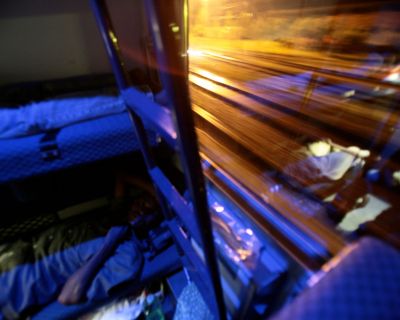
This photographic audio-documentary tells the story of the brief journey that a small group of refugees took from Milan to Calais. One of the objectives of this project was to give an alternative representation of refugee experiences to those produced by national and international official media, most of which reflect and enhance the growing xenophobic tendency that accentuates a sense of otherness and alienation by cultivating popular feelings of fear or pity.
A collaborative project exploring the heard world of one farming family whose organic holding is now encircled by an international airport in Narita, Japan. The project went on to become a CD-book, a touring film and a gallery installation.
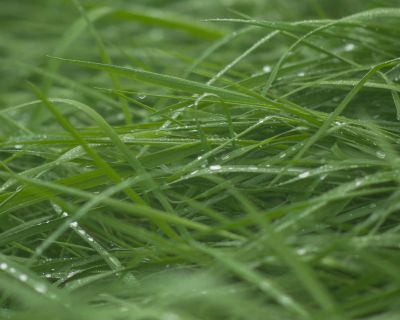
An experimental and collaborative documentary on people’s everyday experiences of the weather and seasons in the Calder Valley, West Yorkshire. Part of a research project funded by the Leverhulme Trust and led by Professor Jennifer Mason at the Morgan Centre for Research into Everyday Lives, Department of Sociology, University of Manchester
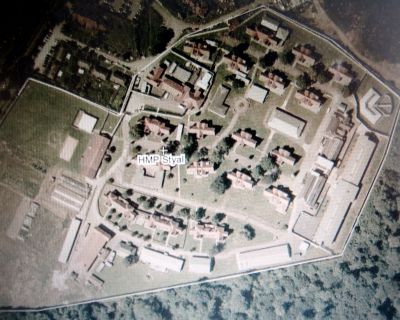
A phenomenological enquiry into the experience of imprisonment. Drawing on anthropologically informed theories of perception and imagination this film explores the relationship between the real and the unreal, the physical and the imagined, and the in- and the outside as rendered through the experience of everyday life in prison.
This project explores the huge changes that take place in the life of one woman, Soozie, who after suffering from profound hearing loss for over 20 years, has had a good level of hearing restored through undergoing cochlear implant (CI) surgery.
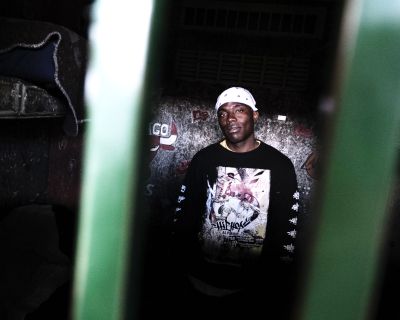
Doing time anywhere is tough, but especially in Latin America. The majority of prisoners on the continent have to deal with overcrowding, poor conditions, and there are regular cases of human rights abuses. In the summer of 2013 I was lucky enough to be given permission to film in one of the region’s best prisons. I spend over two months inside Colombia’s Distrital prison, where the emphasis is placed upon rehabilitation, and inmates have the opportunity to take part in workshops that provide them with the skills they need once they leave prison.
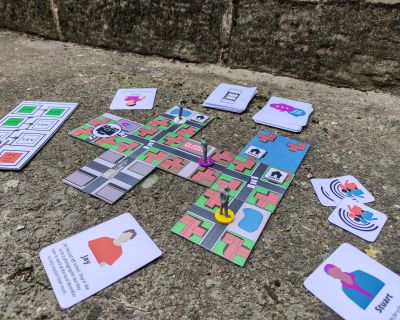
A board game based on collaborative design sessions, which aims to generate hope through collective action in a time of uncertainty. Set in 2040s Britain, players are given a character who has become dissatisfied by suburban sprawl, filled with carbon-copy houses, the ruins of community buildings from the past, police and climate disasters.
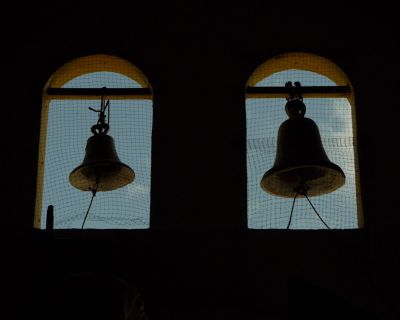
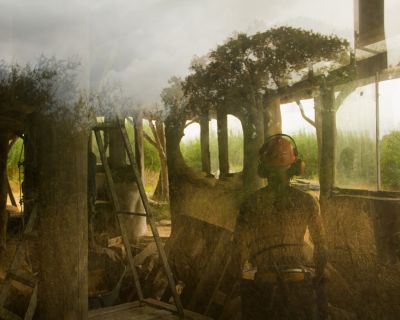
In the Colombian Caribbean, the phantasmagorical presence of the disappeared Ingenio Central Colombia (Sugarcane Mill Central Colombia 1909-1953) is being unearthed by the elder’s stories and the paintings of a primitivist artist. In the plantation complex César Villa Gutiérrez, the main participant, claims the right to look.
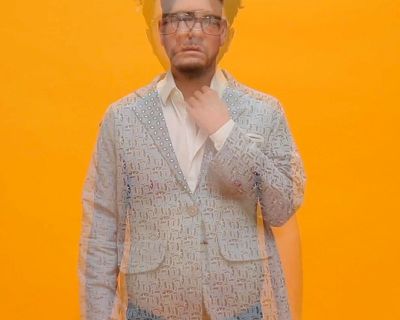
The film explores how chronic illness facilitates different kinds of artistic production. Focussing on the lives of four American artists, it investigates the obstacles and challenges negotiated on a daily basis whilst living with illness, and how these events act as creative catalysts.
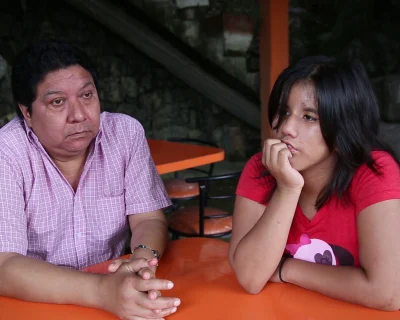
Based on a mix of fiction and reality and realised in collaboration with the characters, the film traces the experience of Omar, “El Jarocho”, and his daughter Brisa, showing their relationship with soft drinks and the “strategies” they apply to avoid health problems.
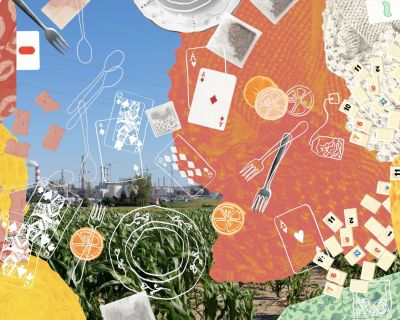
Photographs selected and described by migrant workers at a petrochemical site reveal intimate narratives of migration and care, while a film presents the shared experience of the workers.
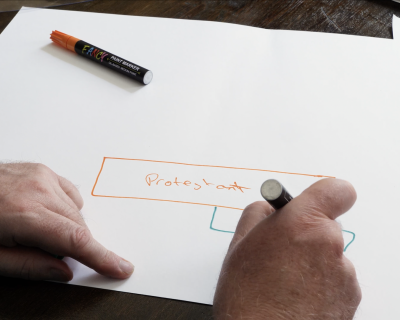
This film centres the experiences of two Catholic walking tour guides in Belfast as they consider the legacy of the Troubles, reflect on their subjective pasts, and look to the future. It captures a process of participatory mapping, revealing insights into the visual language, storytelling and territoriality of tour guides in the divided city.
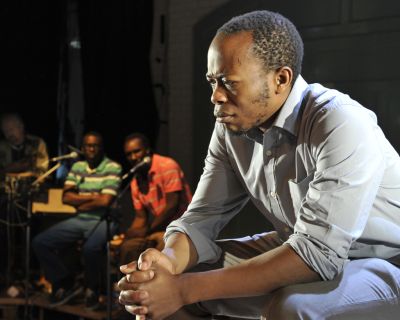
A collaborative play and multimedia project based on anthropological research by Andrew Irving and directed by Josh Azouz. It premiered at the Edinburgh Festival, featuring a Ugandan protagonist whose suicide attempts are repeatedly foiled by a 5,000-year-old god, exploring themes of mortality, culture, and life in Uganda.
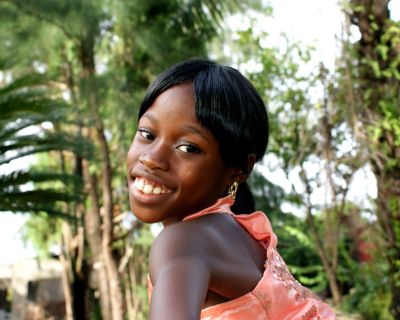
The film follows three people forging their way in film and music in the nation’s capital, facing the constant struggles with vision and resourcefulness. By incorporating collaborative video projects, their stories give a fresh image of post-war Freetown – presented to the world through their own lens.
This experimental installation film explores Environmental Dance as a way of engaging nature through movement. Made in collaboration with Dr. Gemma Collard-Stokes to be an installation piece, this film documents Gemma’s interactions with various spaces within what used to be a coal mine in Pott Shrigley, Macclesfield.
A phenomenological enquiry into the experience of imprisonment. Drawing on anthropologically informed theories of perception and imagination this film explores the relationship between the real and the unreal, the physical and the imagined, and the in- and the outside as rendered through the experience of everyday life in prison.
After my father, Ian, suffered two brain hemorrhages in 2012, the world as he knew it became completely transformed. He faces long-term neurological problems related to speech, memory, comprehension and fatigue. In the film we explore how his relationships with people and everyday life has changed, how he actively continues to make sense of his new perceptual and imaginative world.
An ethnofictional film on inhabiting a trans and disabled body while navigating queer polyamory, community care, and imagination. Set against the backdrop of a transphobic healthcare system and the rising tides of fascism in the UK, the film follows Lee, as an abundance of love shared among partners begins to fracture under the weight of mental health struggles imposed by systemic neglect.
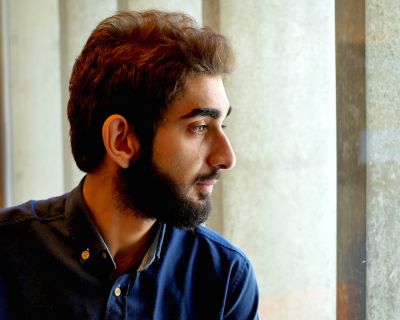
This collaborative film-making and participatory photography project follows Hevin, Mohamed and Mireille, who all came to the Danish city of Randers after fleeing from their homelands, Syria and Congo. It explores how they interact with Randers, and how their interactions relate to the narratives they each create of migrating and resettling.
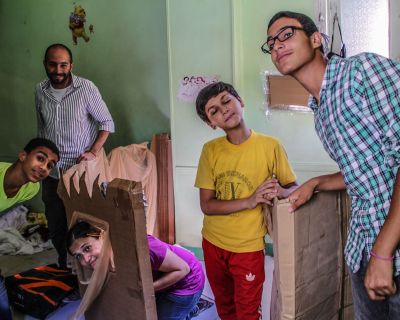
This participatory film, shot in Cairo, seeks to portray the different ways children play the city and play in the city, experimenting with the thin line that distinguishes play from reality. It was inspired by the mini city educational model, present in over 70 countries of the world, and took the name of Mini-Medina (‘mini-city’ in Arabic).
This photographic audio-documentary tells the story of the brief journey that a small group of refugees took from Milan to Calais. One of the objectives of this project was to give an alternative representation of refugee experiences to those produced by national and international official media, most of which reflect and enhance the growing xenophobic tendency that accentuates a sense of otherness and alienation by cultivating popular feelings of fear or pity.
An experimental and collaborative documentary on people’s everyday experiences of the weather and seasons in the Calder Valley, West Yorkshire. Part of a research project funded by the Leverhulme Trust and led by Professor Jennifer Mason at the Morgan Centre for Research into Everyday Lives, Department of Sociology, University of Manchester
Filter
- Sorting
- Sort by title (A-Z)
- Sort by title (Z-A)
- Sort by latest added
- Sort by oldest added